
With our chiropractic in Tustin, Persistent back pain, neck stiffness, and mobility limitations don’t have to control your daily routine. Hands of Health Chiropractic delivers targeted treatments for Tustin and residents across Orange County dealing with spine and joint conditions that interfere with work, family activities, and personal wellness goals. Our approach combines proven chiropractic techniques, soft tissue therapy, and a range of other treatments to restore function and help you get back to what matters most.
Chiropractic in Tustin

Meet the Team
Your recovery is guided by four experienced doctors who each bring distinct specialties to every treatment plan. Dr. Anna Yatsenko holds her Doctorate from Southern California University of Health Sciences and takes a holistic approach that pairs chiropractic care with nutritional guidance and lifestyle changes to fit each patient’s needs. She cares for patients across all age groups, including expectant mothers and infants, with a focus on removing the blocks that prevent your body’s natural ability to heal.
Dr. Robert D. Clarizio graduated Magna Cum Laude from Cleveland College of Chiropractic in 1996 and has built his practice around sports medicine, nutritional counseling, auto accident recovery, work injuries, pregnancy care, and pediatric chiropractic. His involvement in local sports organizations and professional chiropractic groups keeps him current with research-backed treatment approaches.
Dr. Karlie Wauhob completed her doctoral education in 2019 and focuses on family wellness, sports injuries, and treatments including shockwave therapy and physio magneto therapy. She holds Webster Certification for prenatal care and centers her approach on restoring balance and helping patients take an active role in their recovery and long-term health.
Dr. Dennis M. Hannon brings over 30 years of clinical experience in anti-aging care, metabolic health, cancer survivor support, sports medicine, and injury recovery. He builds custom care plans that reflect each patient’s situation and goals.

Are you experiencing back pain, neck pain, or mobility issues?
Finding the right treatment starts with understanding your condition, your goals, and what you need from care. The questions below walk through the most common things patients want to know before getting started.
Treatment Options
Not all spinal conditions call for the same approach. Here is a look at the two main techniques we use and what the research shows about each.
Traditional Manual Adjustments
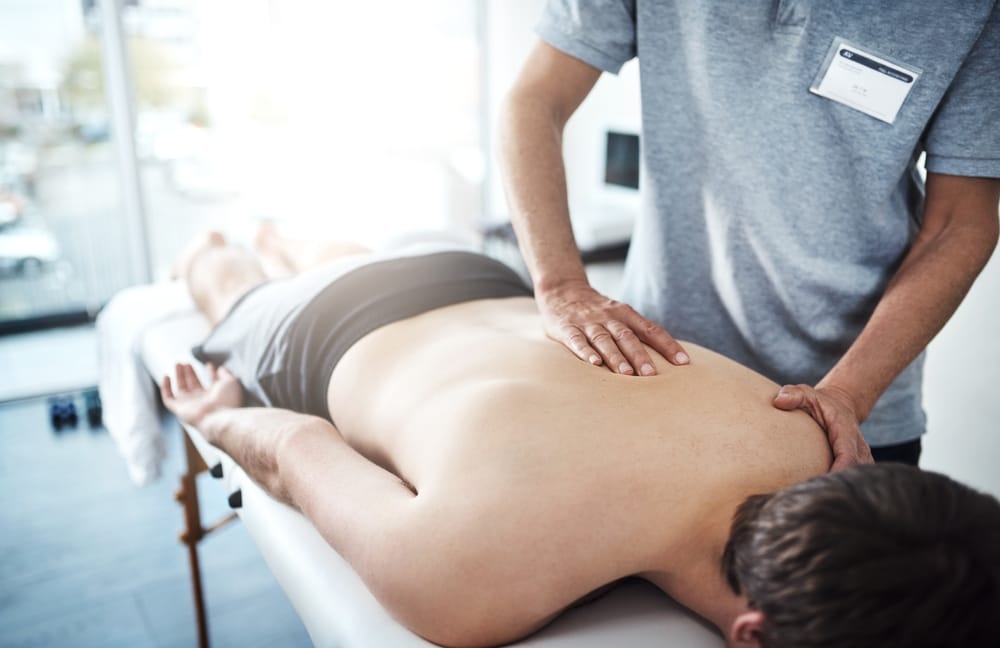
Manual spinal adjustments are the core treatment in chiropractic care. A practitioner applies controlled force to correct vertebral subluxations, restoring spinal alignment and normal joint motion. These techniques work by reducing pressure on the nervous system and triggering your body’s natural pain-relief response through endorphin release and better blood flow. During adjustments, you may hear a popping or cracking sound. This is normal and simply reflects the release of gas bubbles from the joint fluid as space is restored. Our doctors choose the right technique based on your age, comfort level, and condition.
Opposing Perspectives
Many people assume chiropractic adjustments lack clinical backing, or that any benefits are perceived rather than measured.
A 2026 Cochrane review of 26 controlled trials found the effects of spinal manipulation are real and the safety record is reassuring: None of the studies registered any serious complications. As with most conservative treatments, the degree of benefit varies by individual and condition.
Instrument-Assisted Techniques
Modern chiropractic practice also uses mechanical tools that deliver controlled, precise adjustments without the high-velocity thrusts used in traditional hands-on techniques. These tools allow practitioners to target specific areas of the spine with consistent force while keeping the patient comfortable and the process lower-effort for both doctor and patient. This approach is especially useful for patients with acute inflammation, elderly patients with lower bone density, post-surgical patients, or anyone who feels anxious about manual manipulation. Consistent delivery through instrument adjustments also allows for more standardized care and can help patients who have not gotten the results they hoped for with traditional hands-on adjustments.
Opposing Perspectives
A common assumption is that only traditional hands-on adjustments work, and that a mechanical tool makes the treatment less effective.
A 2025 network review found that differences between SMT approaches appear small and likely not clinically relevant. The method matters less than getting consistent, proper care.

Alternative Treatments (What happens if you do nothing?)
Spine problems rarely resolve on their own. Here is what the research shows about the financial, health, and safety costs of leaving them unaddressed.
Financial Implications
Waiting on conservative care allows spine problems to grow more complex and more costly to treat. A single episode of back pain, including those from car accidents, can turn into a need for medical imaging, specialist visits, and long-term medication. Some patients eventually reach the point of surgery, which can cost tens of thousands of dollars. The toll extends beyond direct medical bills. Missed work, lower output on the job, and long-term disability can all add up without early action. Research puts the national scale of this into perspective. In the United States (U.S.), healthcare costs for low back and neck pain are rising and as of 2016 were the highest for any condition, with an estimated $134.5 billion for care related to spinal pain.
Health Considerations
When spine problems go without care, the effects can reach far beyond your back. Chronic pain often leads to less movement, which can weaken heart health and muscles over time. It also raises the risk of falls, weight gain, and other health problems. Long-term use of pain medications carries its own risks, including physical dependence and stomach complications. Chronic pain also raises stress levels, disrupts sleep, weakens immune function, and takes a serious toll on mental health. Research confirms how often this plays out; among individuals with chronic pain, approximately 40% of adults had clinically significant depression and anxiety.
Safety Risks
Putting off conservative care and moving straight to surgery may raise your risk of serious complications. Spinal procedures can involve infection, nerve damage, fluid leaks, and failed fusions that require repeat surgery. The risk of lasting nerve damage is real and may have been avoided with earlier care. Recovery from major spinal surgery often takes months of limited activity, follow-up care, and ongoing monitoring, with no promise of full pain relief. Even less invasive procedures carry risks of scar tissue, adjacent segment disease, and future corrective surgeries. A large study of nearly 9,000 surgery patients shows how often the procedure falls short; after surgery for LSS, 33% of the patients reported failure, and 22% reported worsening as assessed by ODI.
Our Chiropractor in Tustin, California is Ready To Help
Let our excellent chiropractic in Tustin, CA deliver the early, consistent care you need. The team at Hands of Health Chiropractic is ready to help you figure out what is causing your pain and build a plan to address it. Reach out today at (714) 888-4647, visit us at 505 N Tustin Ave Ste 128, Santa Ana, CA, or visit our website to schedule your appointment. If you’re near Victorville, call our Victorville location at (760) 995-4500 or visit us at 12180 Ridgecrest Rd, Ste 526, Victorville, CA, or visit our website.
FAQs
Have questions before booking? Here are answers to the ones we hear most often.
How quickly can I expect pain relief from chiropractic adjustments?
Most patients notice some improvement within the first few treatment sessions, though the timeline for real improvement depends on factors like injury severity, how long you’ve had the symptoms, and your overall health. Acute conditions like recent auto accident injuries or sports strains typically respond faster than chronic problems that have built up over months or years. Most of our patients report meaningful pain reduction and better mobility within two to four weeks of starting care, with continued progress as inflammation settles and normal movement returns.
Is treatment safe during pregnancy and for young children?
Care is safe and effective for pregnant women and pediatric patients when delivered by doctors trained in specialized techniques for these groups. Prenatal care uses gentle, modified approaches to address pregnancy-related back pain, pelvic pain, and sciatica without putting mother or baby at risk. Pediatric care uses very light pressure adapted for children’s growing bones and joints. Our doctors are certified in both prenatal and pediatric care to provide safe treatment for patients of all ages.
What specific conditions respond well to chiropractor Tustin CA treatment?
Our care treats a wide range of conditions including acute and chronic back pain, neck pain and stiffness, headaches and migraines, sciatica, joint dysfunction, and muscle spasm. We regularly treat sports injuries, auto accident trauma, work-related repetitive strain injuries, and degenerative conditions like arthritis that cause ongoing discomfort. Many patients also seek care for pregnancy-related spine problems, posture issues from long hours at a desk, and age-related mobility limitations that get in the way of daily activities.
Do I need a medical referral to begin treatment?
Chiropractors are primary care providers for spine and muscle conditions, meaning you can typically start treatment without a referral from your doctor. However, certain insurance plans require referrals for coverage, so we recommend checking your specific policy before booking. If you’re managing serious health conditions or taking medications that could affect your treatment, we may suggest coordinating care with your primary doctor to get the best results.
What happens during my initial consultation and examination?
Your first visit includes a health history review covering your current symptoms, past injuries, lifestyle, and goals. We follow that with a physical exam that may include orthopedic tests, neurological checks, posture review, and range of motion measurements to find the source of the problem. Depending on what we find, we may start treatment that visit or recommend further testing first. The full evaluation typically takes 45 to 60 minutes. We walk you through what we found and what we recommend before starting any treatment.