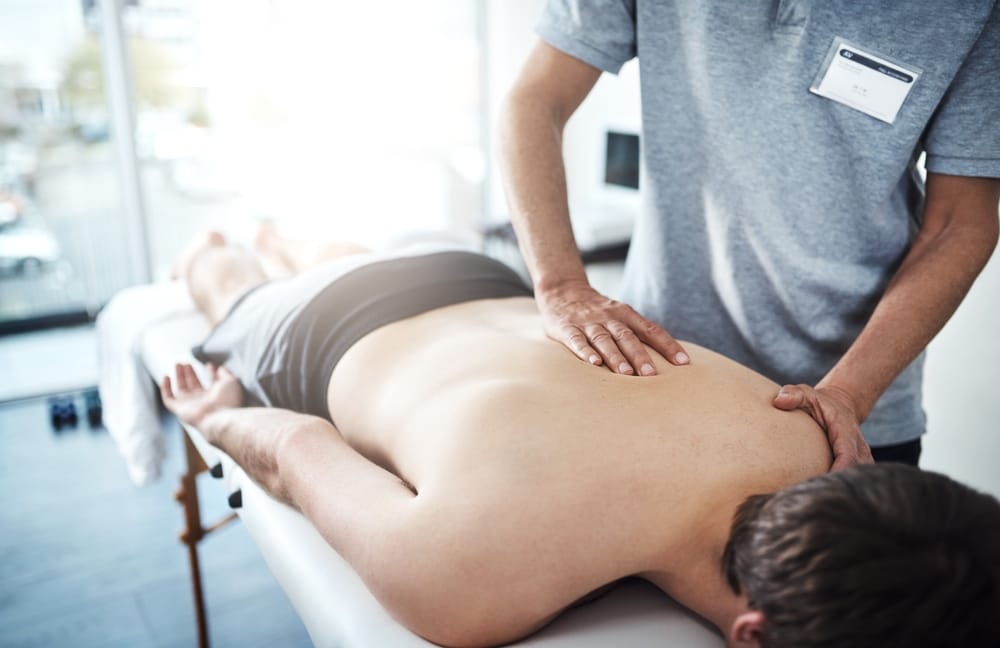
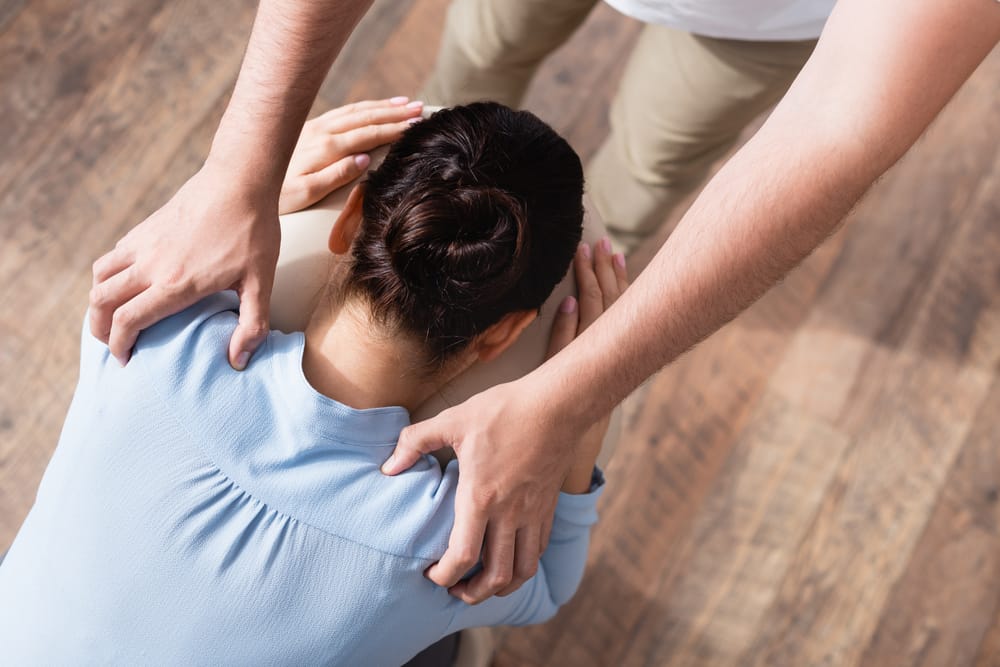
Massage Therapy

Massage therapy has been used to relieve pain and restore movement for thousands of years. Today the methods are more refined, but the goal is the same; clinical massage and therapeutic touch that help the body move better and hurt less. At Hands of Health Chiropractic, massage works alongside chiropractic adjustments to treat both spinal alignment and the soft tissues that support it

What is massage therapy?

Merriam-Webster defines it simply as the manipulation of muscles and soft tissues for therapeutic purposes. According to Wikipedia, the practice developed alongside athletics in both Ancient China and Ancient Greece, where Olympic trainers routinely used it to prepare and recover athletes.

Request Appointment

Meet the Team

The licensed massage therapists at Hands of Health work as part of the same care team as Dr. Anna Yatsenko, Dr. Robert Clarizio, Dr. Karlie Wauhob, and Dr. Dennis Hannon. That means your massage isn’t happening in a silo. It’s coordinated with your adjustments, your recovery timeline, and your overall care plan. Our therapists are trained in a wide range of massage techniques, including sports therapy, prenatal massage, deep tissue massage, and myofascial work, and they keep up with current methods for treating sports injuries and chronic pain. Every session is a personalized experience built around what you actually need, whether you’re coming in for the first time or have been a patient for years.

Learn About Your Doctor!

Massage Therapy in Victorville, CA

Conditions, Symptoms, and Pain

Therapeutic massage is a good fit for a wide range of musculoskeletal issues. A 2023 study in the Journal of Bone and Joint Surgery found that musculoskeletal conditions affect more than a third of the US population and were the top driver of healthcare spending in 2016. That’s the population massage therapy is built for. Athletes dealing with soft tissue injuries benefit from sports massage and sports therapy approaches that reduce scar tissue and restore movement. Pregnant women find real therapeutic relief through prenatal massage as their bodies adapt to carrying a growing baby. Seniors managing lower back pain and stiffness respond well to gentler techniques that suit age-related tissue changes. Patients recovering from auto accidents or dealing with high blood pressure, muscle tension, and chronic muscle soreness also see strong results from regular sessions. The approach shifts depending on what you need: deep tissue massage for chronic tension, relaxation massage for stress relief, and targeted therapeutic touch for specific areas that just won’t let go.

Recognizing the Problem

Most people don’t walk in with a clean diagnosis. They just know something feels off. Shoulders that won’t relax. A neck that’s always tight. Low-back pain that flares up after a long day of repetitive movements. A 2024 review in Heliyon found that musculoskeletal disorders are the most common cause of occupational illness in the US, costing the sector between $45 and $54 billion annually in medical costs and lost work. That kind of pain doesn’t show up all at once. It builds over weeks and months of sitting wrong, moving wrong, or pushing through discomfort that should have been addressed sooner. Athletes notice it as muscle tension and tightness that limits range of motion. New moms feel it in the neck and upper back from feeding and carrying their babies. Left alone, it tends to get worse, not better.

When should you seek a Professional?

If you’ve been stretching, using a foam roller, or waiting it out and it isn’t getting better, that’s your answer. Research published in JAMA Network Open in 2024 found that people seek medical massage and manual therapy specifically when other approaches haven’t fully worked or come with unwanted side effects. You don’t need to be in severe pain to come in. Stiffness that affects your sleep, muscle tension that limits how far you can turn your head, or fatigue that feels bigger than what your day called for are all good enough reasons.

Speak With A Professional!

Prevention and Hygiene Education

The habits you have on a normal Tuesday do more to determine whether you end up with chronic musculoskeletal issues than any single event. The CDC and NIOSH confirm that ergonomics can reduce or eliminate work-related musculoskeletal disorders and other injuries, and improve safety. Avoiding repetitive movements in poor positions, adjusting your workstation, and taking regular movement breaks all reduce the buildup of muscle tension that eventually needs treatment. People who lift regularly benefit from balanced strength across muscle groups rather than favoring the same movements repeatedly. Pregnant women can head off a lot of common discomfort by sleeping with proper support and breaking up long periods on their feet. For athletes, dynamic warm-ups before training and adequate stretching after workouts reduce muscle soreness and keep tissue healthy between sessions. Managing stress matters too. Elevated cortisol levels and stress hormones that stay high over time create real physical tension in the body, which is one reason stress relief is one of the most consistent benefits patients report from regular massage.

Popular Home Remedies

NIH data shows that use of complementary approaches for pain management nearly doubled between 2002 and 2022, now reaching more than a third of US adults. Foam rollers, tennis balls, heating pads, ice packs, massage guns, and Epsom salt baths are all common first moves for muscle tension and muscle soreness. They’re not wrong to try. For some types of tension and post-workout soreness, they genuinely help with therapeutic relief. The issue comes when the same pattern keeps coming back despite consistent self-care.

What the Research Says

The problem with most home tools isn’t effort. It’s precision. A 2024 review in the International Journal of Environmental Research and Public Health found it difficult to draw firm conclusions about the correct form and method of foam rolling due to inconsistency in the research. That gap matters because myofascial restriction and acupressure points respond to specific pressure in specific directions, something a roller or massage gun can approximate but rarely nail. A licensed massage therapist using proper manual therapy and deep tissue massage techniques assesses the actual source of the problem before applying any pressure. That’s what produces lasting change rather than another round of temporary relief.

Cost and Insurance

Clinical massage is one of the more accessible care options out there, offering everything from targeted medical massage to full-body rejuvenation depending on what your body needs. Coverage is more common than most people expect.

Industry Average Pricing

Most 60-minute therapeutic massage sessions in the United States run between $60 and $150, with the national average sitting around $75 to $100. Clinical settings like chiropractic offices typically come in lower than spa pricing, and many practices offer package rates that reduce the per-session cost. These are general market figures and don’t reflect our specific rates. Call or reach out to us directly to talk through pricing and what a realistic plan looks like for your situation.

Insurance Coverage For Massage Therapy

Coverage is available but depends on how the care is structured. CMS guidelines establish that massage therapy can be considered medically necessary when specific clinical conditions are documented, typically as part of a physical therapy or rehab plan. Private insurers including Blue Cross Blue Shield, Aetna, United Healthcare, and Cigna may cover it under physical medicine benefits when prescribed and documented by a provider. FSA and HSA funds are generally eligible. Coverage varies by plan, so verify your benefits and any prior approval requirements with our team before your first session.

Speak With A Professional!

Book a Massage Therapy Appointment For Your Pain Relief and Healing

Whether you’re dealing with chronic muscle tension or recovering from an injury, our team is ready to help you figure out the right approach. Hands of Health Chiropractic serves patients in Victorville and Santa Ana, call us or book online to get started.

Request Appointment

FAQs

How is therapeutic massage different from a spa massage?

Spa massage is designed for relaxation. Clinical massage and medical massage are designed to fix something. The massage therapist starts by assessing what’s actually happening in your tissue: where the restriction is, what’s compensating, what needs direct pressure and what needs to be approached carefully. At Hands of Health, we offer a range of massage styles including deep tissue massage, relaxation massage, sports massage, Shiatsu, Tui Na, prenatal massage, and lymph drainage, depending on what your situation calls for.

Can massage help with tension headaches?

Yes, and it’s one of the more common reasons people come in. A lot of tension headaches originate in the neck and shoulders. Tight muscles in those areas refer pain up into the head and temples. Working acupressure points and releasing trigger points in those areas directly often reduces both the frequency and intensity of headaches in ways that pain medication alone doesn’t.

What should I do after a session?

Drink water, take it easy for the rest of the day, and don’t be surprised if you feel a little sore, especially after deeper work. That’s normal and typically clears within 24 to 48 hours. It means the tissue was actually worked, not just warmed up.

Does massage interfere with chiropractic adjustments?

It actually makes them work better. When muscles are tight, they pull joints back toward their old position after an adjustment. Loosening those muscles first, or reinforcing an adjustment with soft tissue work right after, helps the correction hold longer. Many patients also notice lower cortisol levels and reduced stress hormones after combining massage with chiropractic care, which supports recovery through the nervous system as much as the musculoskeletal system. A lot of patients find they need fewer visits overall when they combine the two.

How do I know if I need massage or a medical evaluation first?

If the pain came on suddenly, is severe, or comes with numbness, tingling, or weakness, get evaluated by a doctor first. Those symptoms can point to something that needs a diagnosis before soft tissue work is appropriate. For chronic muscle tension, low-back pain, postural issues, or muscle soreness from overuse, massage is a solid and safe place to start.