Physio Magneto Therapy

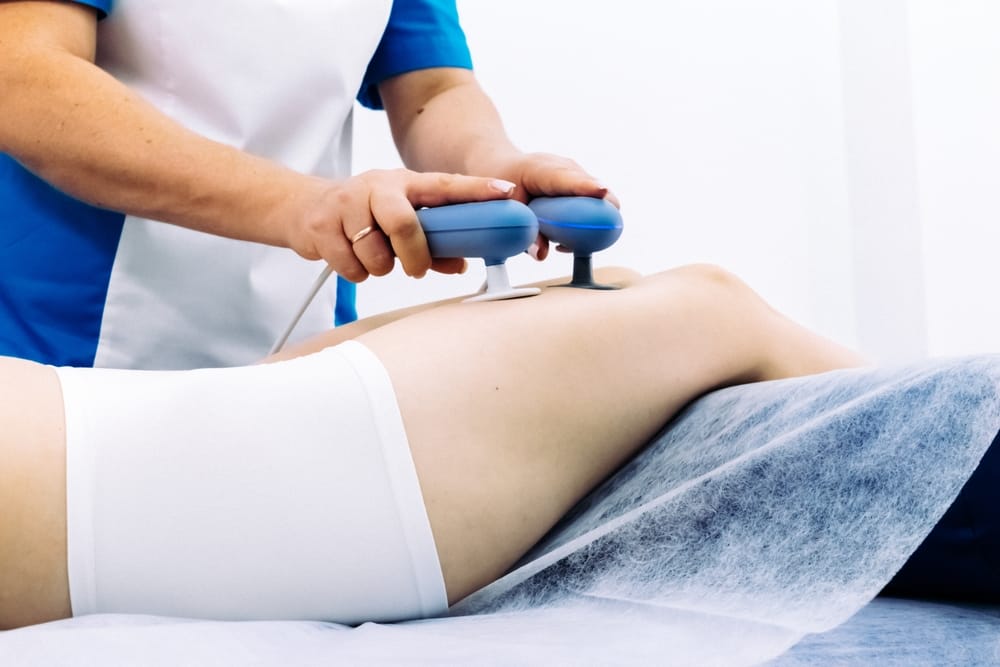
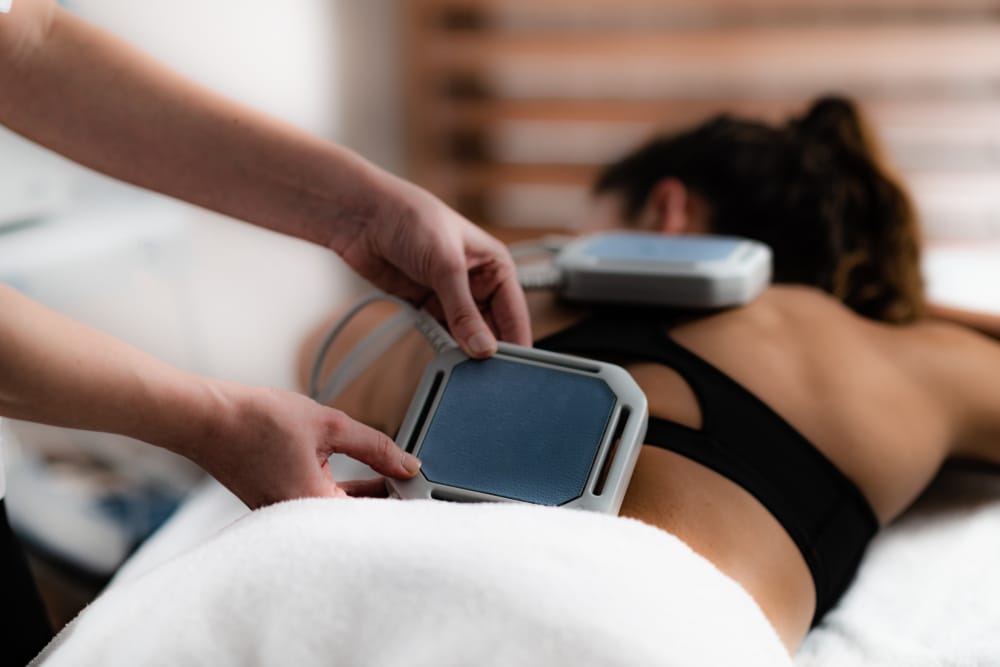
Physio Magneto Therapy, also known as PEMF or pulsed electromagnetic field therapy, is one of the more clinically grounded tools in modern pain management. It has been researched for decades and is used today across chiropractic, sports medicine, and rehabilitation settings.

Learn About PMT and PEMF Therapy

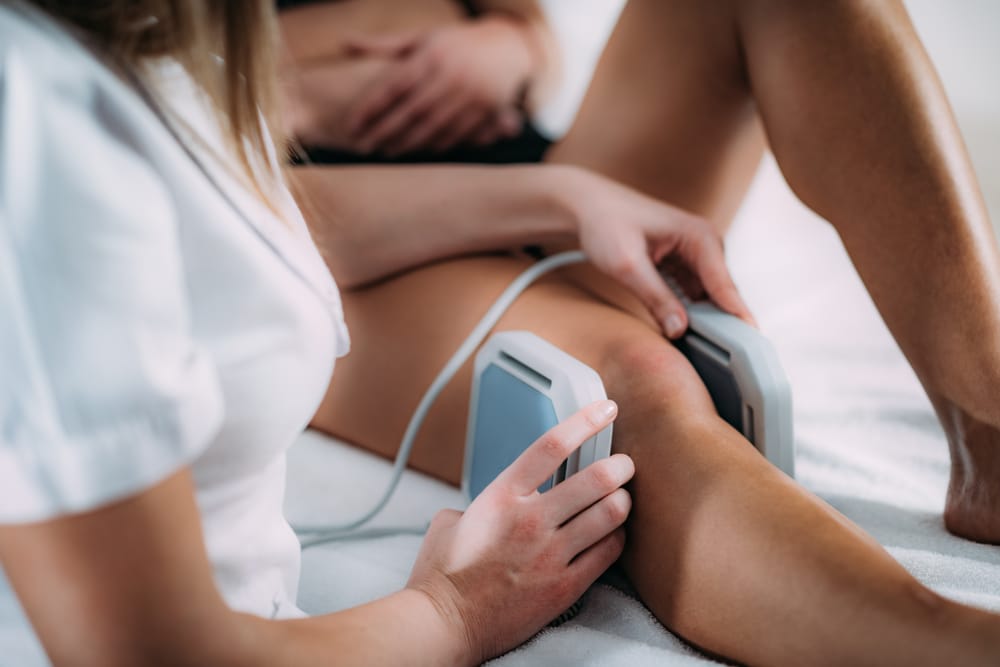
A 2024 peer-reviewed study in Frontiers in Sports and Active Living defines pulsed electromagnetic field therapy as a non-invasive treatment that uses electromagnetic fields to stimulate and promote the natural healing process within the body. PEMF devices work by emitting low frequency pulsed electromagnetic fields through electromagnetic induction, generating an electrical field that produces a gentle electric current in tissues. These low-level pulses activate voltage-gated calcium channels in cells, driving cellular repair and supporting the body’s tissue repair mechanisms.

Research into this technology has been building for over a century. Wikipedia notes that serious scientific study of electromagnetic bone healing for fractured bones and nonunion fractures began in the mid-1950s, with significant advances introduced by Bassett and his team in the 1970s. Today, PMT is used alongside chiropractic care and other therapies to support the musculoskeletal system and address chronic pain and tissue dysfunction without surgery or medication.
Request Appointment

Meet the Team

The team at Hands of Health Chiropractic has experience across a wide range of therapies, including PMT. Dr. Anna Yatsenko, the founder, completed her education at UC Davis and Southern California University of Health Sciences, building her practice around addressing the root causes of musculoskeletal system dysfunction rather than just symptoms. Dr. Robert D. Clarizio graduated Magna Cum Laude with focused training in sports medicine, nutrition, and muscle recovery. Dr. Karlie Wauhob holds Webster Certification and works with prenatal, pediatric, and athletic patients. Dr. Dennis M. Hannon brings over 33 years of clinical experience, with a focus on metabolic health, anti-aging medicine, and whole-body care.

Learn About Your Doctor!

Conditions, Symptoms, and Pain

Chronic pain is far more common than most people realize, and it is one of the primary conditions that PMT is designed to address. The CDC’s 2024 data brief reports that in 2023, 24.3% of adults had chronic pain, and 8.5% had chronic pain that frequently limited life or work activities in the past 3 months. Conditions that respond well to PEMF therapy include bone injuries, wound healing, intervertebral disc disease, inflammatory diseases, and chronic wounds, as well as persistent muscle tension and poor circulation. PMT works by applying controlled magnetic fields to affected tissues, improving blood flow through blood vessels, activating mesenchymal stem cells to support tissue regeneration, and reinforcing the body’s natural healing process. Clinical evidence also points to benefits for the nervous system and immune system function, and ongoing research is exploring pulsed electromagnetic field therapy’s role in neurological diseases, cognitive function, and conditions like Alzheimer’s disease.

Recognizing the Problem

Knowing whether your symptoms match conditions that respond to magnetic field therapy helps you decide whether to seek an evaluation. Many warning signs line up with clinical criteria for common musculoskeletal conditions. StatPearls confirms that the defining signs of osteoarthritis include pain that worsens with activity, brief morning stiffness, joint enlargement, and reduced range of motion. If your symptoms fit several of these criteria, your condition may respond well to PMT. Watch also for changes in sleep quality, which often signal that underlying tissue issues have progressed beyond what self-care can manage.

When should you seek a Professional?

Pain that started suddenly is usually temporary and resolves within weeks. The CDC’s 2022 clinical practice guideline defines acute pain as time-limited, typically lasting less than one month before it either resolves or transitions into something longer-term. If your pain is lasting beyond that one-month mark or is already affecting your sleep, work, or daily movement, it has moved out of the acute phase. That shift is the right time to get a professional evaluation rather than continuing to manage it on your own.

Speak With A Professional!

Prevention and Hygiene Education

The best way to avoid needing PMT is to protect your tissues before problems set in. Poor ergonomics, prolonged static posture, and weak stabilizing muscles are among the most common drivers of the musculoskeletal conditions that PMT treats. The CDC’s National Institute for Occupational Safety and Health notes that the goal of ergonomics is to prevent injuries and discomfort that happen at work. Regular movement breaks, workstation adjustments, and strengthening exercises all help maintain healthy blood flow and keep tissues healthy over time. Adequate protein intake supports tissue repair and immune system function, and consistent hydration keeps nutrients moving to areas that need it.

Popular Home Remedies

When musculoskeletal pain develops, most people try to manage it at home first. Ice and heat, over-the-counter anti-inflammatory medications, topical creams, stretching, and basic muscle recovery routines are the most common first responses. A 2025 peer-reviewed study found that back and joint pain were the most common complaints among older adults, with OTC medications being the top self-treatment choice across the board. These approaches can take the edge off symptoms in the short term but often do not address what is actually causing the problem.

What the Research Says

Home care has real limits for chronic musculoskeletal conditions. Clinical studies and pilot study data consistently show that standard approaches leave a significant portion of patients with ongoing impairments. A 2022 Duke University study published in PAIN Reports found that even with active medication-based treatment, 39% of patients reported continued functional impairments at 3 months. That points to how difficult persistent musculoskeletal pain is to resolve without targeting the underlying issue. Professional treatments that support cellular repair and tissue regeneration at the tissue level, like PMT, tend to produce better results over time.

Cost and Insurance

Understanding the financial side of PMT helps you plan for your therapy session costs. Fees vary based on session length, the specific treatment protocol, and your location.

Industry Average Pricing

PMT session pricing varies across providers and is not covered by a standardized rate schedule. It is best treated as a specialty service in line with other advanced therapeutic options. Rates at this practice depend on what your treatment plan involves. Call our team directly to ask about current pricing and what a course of care would look like for your situation.

Common Insurance Providers

Coverage for PMT and magnetic field therapy varies significantly by plan. This type of therapy is not a standard benefit across major insurers. Some plans do cover adjacent therapeutic services, and Medicare.gov confirms that Medicare Part B covers certain chiropractic services, though coverage for PMT depends on how the therapy is billed and what condition is being treated. Verify your coverage directly with your insurance provider and our team before starting care so you have a clear picture of your out-of-pocket costs.

Speak With A Professional!

Physio Magneto Therapy at Hands of Health Chiropractic

If you’ve been dealing with chronic pain, slow tissue repair, or joint problems that haven’t responded to standard care, physio magneto therapy or PEMF therapy may be worth adding to your treatment plan. Our team will assess your condition first and recommend it only when it makes sense for what you’re dealing with. Call us or book online to get started.

Request Appointment

FAQs

What Does the Magnetic Field Feel Like During a Therapy Session?

Most patients feel a mild tingling sensation or gentle warmth in the treatment area. Some feel nothing at all. Either response is normal.

Can I Receive PMT if I Have Metal Implants or a Pacemaker?

Some medical devices and metal implants are not compatible with magnetic field therapy. Adverse events linked to PMT are rare, but we review your full medical history before starting any treatment to confirm it is a safe option for you.

How Soon After an Injury Can PMT Be Started?

It depends on the type and severity of your injury. PEMF therapy can often begin once the initial inflammation has settled, usually within the first few weeks after the injury.

Will I Need to Undress for the Treatment?

PMT can be done through light clothing. Direct skin contact may improve results depending on the protocol, and your provider will let you know what to expect before the session.

Can Athletes Continue Training While Receiving PMT?

That depends on the condition being treated. Many athletes use PEMF therapy specifically to support muscle recovery between sessions and are able to maintain a modified training schedule throughout their course of care.