Shockwave Therapy

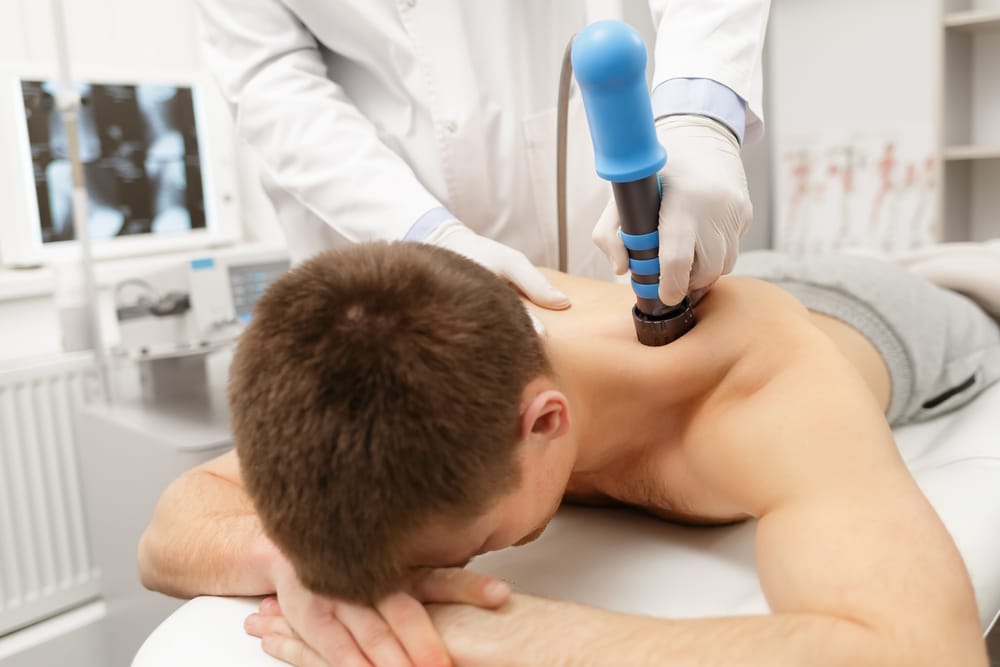
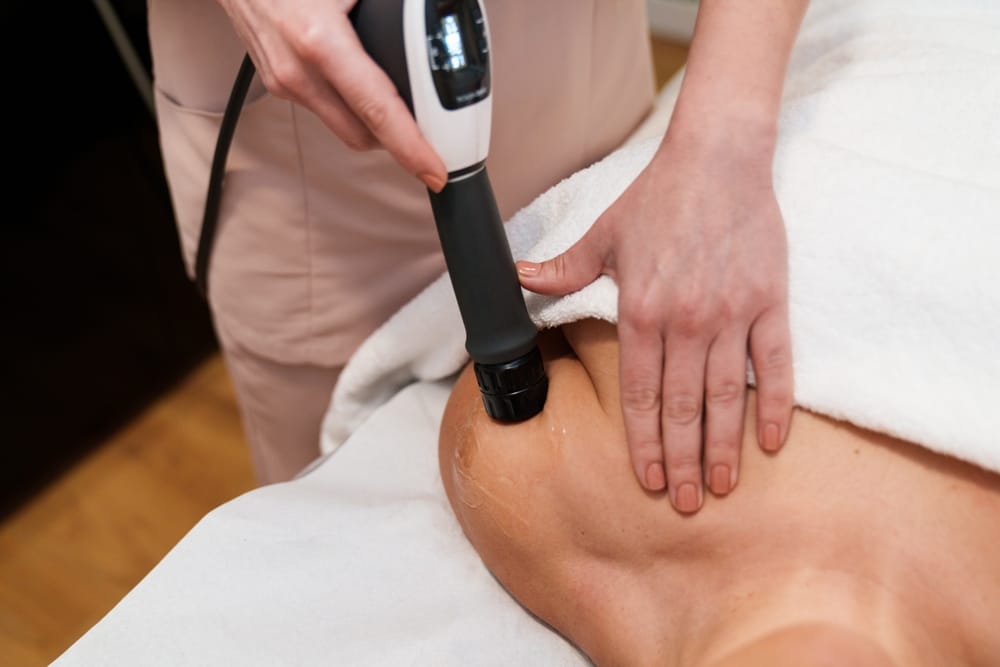
Shockwave therapy, formally known as extracorporeal shockwave therapy, uses sound waves and pressure waves to stimulate healing in damaged tissue. Hands of Health Chiropractic offers shockwave therapy as a path to healing for patients with chronic tendon injuries and calcific conditions when other approaches have not worked.

The Specifics of Shockwave Therapy

Research published in Biomedicines defines the basic physics: shock waves are acoustic disturbances that propagate through a medium carrying energy, composed of two phases: high positive pressure, a rise time of less than 10 nanoseconds, and a tensile wave.

The path into sports medicine and tendon care came from a chance finding. According to Wikipedia’s entry on extracorporeal shockwave therapy, in the 1980s people using ESWT for kidney stones noticed that it appeared to increase bone density in nearby bones, leading them to explore it for orthopedic purposes.

Request Appointment

Meet the Team

At Hands of Health Chiropractic, the doctors treating you bring deep experience across spinal care, sports medicine, and rehabilitation. Dr. Anna Yatsenko, DC, founded the practice with a passion for holistic wellness after completing her education at UC Davis and Southern California University of Health Sciences, bringing years of volunteer experience with sports and community health organizations. Dr. Robert D. Clarizio, DC, graduated Magna Cum Laude with special training in sports medicine and nutrition, recognized for his leadership in sports medicine and chiropractic professional organizations. Dr. Karlie Wauhob, DC, holds Webster Certification and specializes in prenatal, pediatric, and athletic care while emphasizing patient empowerment and mobility. Dr. Dennis M. Hannon, DC, brings over 33 years of clinical experience as a retired firefighter turned chiropractor, focusing on holistic and metabolic healthcare including sports injuries and rehabilitation.

Learn About Your Doctor!

Conditions, Symptoms, and Pain

Extracorporeal shockwave therapy targets specific musculoskeletal conditions where tissue healing has stalled or chronic pain persists. Plantar fasciitis creates stabbing heel pain that intensifies with first steps in the morning. Tennis elbow and golfer’s elbow both generate aching forearm pain that flares during gripping activities. Shoulder impingement causes deep, persistent pain that worsens with overhead movements. Achilles tendinopathy produces stiffness and pain along the back of the ankle that increases after periods of rest. Calcific shoulder conditions and sports injuries involving soft tissue create sudden, severe pain episodes when calcium deposits or damaged tissue irritate surrounding structures. These conditions are more common than most people realize. A 2022 study in the International Journal of Athletic Therapy and Training found that tendon injury is prevalent and costly in the United States, comprising 45% of the 66 million musculoskeletal injuries and costing $114 billion annually. Shockwave treatment addresses this scale of injury by working at the tissue level. The pressure waves break down scar tissue, disperse calcium deposits, improve blood flow, and trigger healing in areas where the body’s repair process has stopped.

Recognizing the Problem

Chronic musculoskeletal conditions develop patterns that set them apart from short-term injuries. Research published in 2025 in Current Reviews in Musculoskeletal Medicine confirms that tendinopathy is a common cause of musculoskeletal morbidity, resulting in frequent visits to primary care providers, orthopedists, and urgent care clinics. Knowing what to look for helps you act before chronic pain becomes a long-term reality. Morning stiffness that takes several minutes to ease often signals chronic tissue changes. Pain that returns after specific activities points to a deeper structural problem, not a passing strain. Symptoms that stay beyond the typical six to eight week healing window need a professional look. Areas that feel tender at rest, or joints that slowly lose range of motion, are signs of tissue damage that may respond to focused shockwave care.

When should you seek a professional?

Professional evaluation becomes essential when pain interferes with sleep or keeps you from doing your job. Symptoms that keep getting worse despite home care or physical therapy call for a deeper look. So do conditions that change how you move and work on a daily basis. Research on ESWT treatment timing from the LEICESTER clinical trial sets a clear threshold: symptoms of at least 12 weeks in conditions like plantar fasciitis, achilles tendinopathy, patellar tendinopathy, or tennis elbow mark the point where professional care becomes the right step. A trained provider can tell apart conditions that respond to basic care from those that need advanced treatment.

Speak With A Professional!

Prevention and Hygiene Education

Preventing conditions that may need shockwave treatment starts with keeping tissue healthy through good movement habits and gradual activity build-up. Athletes benefit from sport-specific warm-up routines that prepare tendons for explosive movements. Workers who perform repetitive tasks should add regular stretching breaks and workstation changes to reduce ongoing strain. Proper footwear matched to your foot type and activity helps prevent many lower-leg overuse injuries. Tendinopathies can develop quickly without the right precautions. A 2023 review in the Archives of Orthopaedic and Trauma Surgery notes that patellar tendinopathy is a noncontact injury, typically characterized by gradually increasing pain in the patellar tendon, and occurs mostly in jumping sports, a clear example of what proper training habits and load management can help you avoid. Keeping body weight at a healthy level reduces stress on your joints and tendons. Staying hydrated supports blood flow to tissue and helps nutrients reach the areas that need them most.

Popular Home Remedies

NIH data shows that use of complementary approaches to pain management nearly doubled between 2002 and 2022, now covering more than a third of US adults. Patients dealing with tendon pain most often turn to ice during flare-ups and heat for ongoing stiffness. Anti-inflammatory medications become part of many people’s daily routine for persistent joint pain. Foam rolling and self-massage tools are popular for muscle tension and trigger points. Compression sleeves and braces offer short-term relief during activity. Topical pain relievers provide local relief without taking a pill. Rest and activity changes remain the most common first steps people take on their own.

What the Research Says

Studies show that home remedies may offer short-term relief, but they rarely fix the root tissue damage in chronic conditions. Ice can reduce swelling in the early stage of an injury, but may slow healing when used too much during the later chronic phase. Anti-inflammatory medications can ease pain, but research suggests they may affect the body’s ability to repair tissue over time. A 2024 systematic review published in Annals of Joint found that animal studies suggest COX-2 inhibitors may impair healing of soft tissue, bone, and tendon-to-bone connections, though the authors note further clinical studies are needed. When the goal is actual tissue repair rather than pain relief, treatments that work at the structural level tend to produce more lasting results.

Cost and Insurance

Shockwave therapy costs reflect the equipment and training needed to deliver it safely and effectively. Many insurance plans cover it for chronic tendon conditions when basic treatments haven’t worked. Understanding the financial side of care helps you make a clear decision before you start.

Industry Average Pricing

Industry data shows that shockwave therapy sessions typically range from $100 to $500 per session, with most musculoskeletal treatment plans running 3 to 5 sessions and total costs commonly falling between $300 and $2,500. Focused shockwave therapy for conditions like plantar fasciitis tends toward the higher end of the per-session range, while radial shockwave therapy is generally more affordable and used for a broader range of soft tissue conditions. The type of shockwave device used also affects pricing, since focused and radial systems differ in equipment cost and treatment precision. These are general market averages and may vary based on your location, your provider, and what your care plan includes. Contact our team directly to talk through options and current rates for your specific situation.

Insurance coverage for shockwave therapy

Insurance coverage for shockwave therapy varies widely. The Centers for Medicare and Medicaid Services has established a Local Coverage Determination listing covered conditions including calcific tendinopathy of the shoulder, elbow tendinopathy, carpal tunnel syndrome, greater trochanteric pain syndrome, patellar tendinopathy, and stress fractures or delayed bone unions. Medicare covers these specific conditions when care uses FDA-approved devices and basic treatments have been tried first. Many private plans from Blue Cross Blue Shield, Aetna, United Healthcare, and Cigna do not cover ESWT as standard care, though FSA and HSA funds are often eligible. This is a general overview and does not reflect our specific accepted providers. Call our office before starting care to confirm your coverage.

Speak With A Professional!

Ready to try shockwave therapy?

If chronic tendon pain, a sports injury, or a stubborn soft tissue condition has been holding you back, shockwave therapy may be the step that finally moves the needle. Contact Hands of Health Chiropractic today to schedule an evaluation and find out whether shockwave therapy is the right fit for your condition.

Request Appointment

FAQs

How does shockwave therapy feel during a session?

The shockwave device delivers rhythmic sound waves and pressure waves through the skin directly to the affected area. Most patients describe the sensation as pulsing or tapping, and intensity is adjustable throughout the session based on your comfort. Some tenderness at the treatment site is normal in the 24 to 48 hours after a session, particularly during the first few visits as the tissue responds to treatment.

How long does each session take?

Sessions typically last 15 to 20 minutes, including prep time and a quick assessment of the treated area afterward. Most treatment plans involve 3 to 5 sessions spaced roughly a week apart, though the exact schedule depends on your condition and how your body responds. There is no downtime, so you can go straight back to your normal routine after each visit.

Can I go back to normal activities right after?

Most patients head straight back to their day. High-impact sports or heavy exercise may need to be dialed back for 24 to 48 hours after each session, particularly during the early part of treatment. Light activity and normal daily movement are generally fine and can actually support the healing response the treatment is designed to trigger.

Who is a good candidate for shockwave therapy?

The best candidates are people with chronic pain or tendon conditions that haven’t improved with previous treatments, including physical therapy or rest, and show signs of tissue breakdown rather than a fresh, acute injury. Both focused shockwave therapy and radial shockwave therapy can be effective depending on the condition and depth of tissue involved. Conditions like plantar fasciitis, tennis elbow, golfer’s elbow, Achilles tendinopathy, and calcific shoulder typically respond well. We’ll confirm whether you’re a good fit during your initial evaluation.

How soon will I notice results?

Some patients feel a difference within the first few sessions. Others see gradual improvement through their full course of care. Everyone heals at a different pace, and we’ll give you a clear timeline after your first assessment. In general, chronic conditions that have been present for months or years take longer to respond than shorter-term injuries, but most patients notice meaningful progress before the end of their treatment plan.