
Whether you’re a competitive athlete or someone who stays active on weekends, stress on the musculoskeletal system adds up, and injuries are part of the deal. The difference is what you do about them. According to MedlinePlus, chiropractic care works by correcting alignment problems, easing pain, and supporting the body’s natural ability to heal. Professional athletes have relied on it for longer than most people realize; sports chiropractors first started working with Olympic athletes back in 1976. If pain, stiffness, or nagging soreness is slowing you down, working with a sports injury chiropractor who understands how the body moves under load is one of the most direct ways to get to the bottom of it.
Sports Injury Chiropractic Care

Meet the Team
Not every chiropractor has a background in sport. The team at Hands of Health Chiropractic does.
Dr. Robert D. Clarizio graduated Magna Cum Laude from chiropractic school with clinical training in sports medicine and nutrition, and has stayed involved in sports medicine professionally throughout his career. Dr. Anna Yatsenko has worked with athletes at the community and organizational level across a range of sports and fitness backgrounds. Dr. Karlie Wauhob holds Webster Certification and incorporates advanced therapy work into her athletic care. Dr. Dennis M. Hannon brings over 33 years of clinical experience, including a career as a firefighter that gave him a practical, grounded approach to physical recovery and sports rehab.
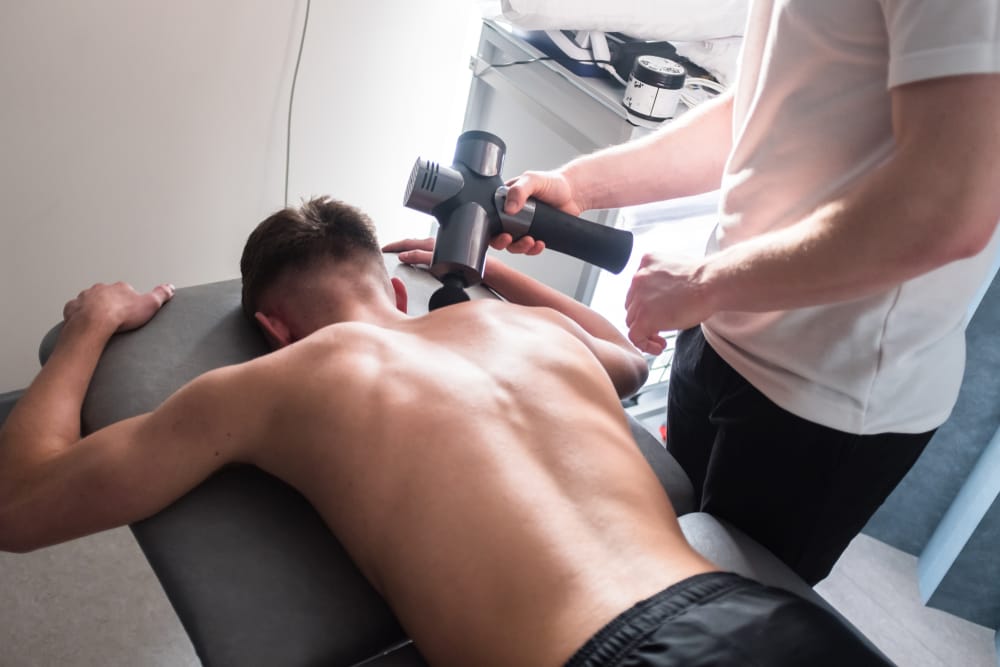
Conditions, Symptoms, and Pain
Musculoskeletal injuries are more common in sport than most athletes want to admit. Muscle strains, rotator cuff tears, knee injuries, ACL tears, ankle sprains, shin splints, shoulder strains, carpal tunnel, vertebral injuries, and spinal injuries from repetitive strain and sports-related trauma all show up regularly across every sport and fitness level. Research puts injury prevalence rates among young athletes between 34.1% and 65%, and those numbers hold across sport types. Most of these problems don’t come out of nowhere. They build slowly through biomechanical imbalances that compound over weeks and months of training. At Hands of Health Chiropractic, we focus on finding those imbalances and correcting them before they turn into something bigger.
Recognizing the Problem
The hardest part of sports injuries is that athletes are wired to push through discomfort. Pain gets normalized, warning signs get ignored, and what could have been a minor correction becomes a longer recovery. Research on youth wrestlers found that athletes often dismiss injury symptoms as normal training stress, which leads to delayed diagnosis and more persistent problems. That pattern plays out at every level of sport. If your performance has dipped without a clear reason, if range of motion feels uneven between sides, if joint stiffness is outlasting normal recovery, or if old injury sites keep flaring back up, it’s worth getting looked at.
When should you seek a Professional?
The short answer: sooner than you think. Research on sports injuries shows that delayed or mismanaged injuries can extend recovery time and cause lasting damage to athletic ability. A spinal misalignment or unresolved joint problem rarely fixes itself with rest alone. Spinal adjustments and targeted care started early consistently lead to shorter recovery time and better long-term outcomes. If pain is changing how you move, if you’re favoring one side, or if an old injury site keeps flaring up when training intensity picks up, those are all good reasons to come in.
Prevention and Hygiene Education
An important and overlooked part of maintaining peak performance is about how well your body is moving while you do it. Spinal alignment, joint alignment, and muscle balance all play a direct role in whether your body holds up over a long season. A 2023 PMC study found that chiropractic care plays a key role in injury prevention and long-term physical maintenance for athletes. The specifics vary by sport. Baseball players need thoracic rotation. Runners need pelvic stability. Basketball players need a resilient cervical spine. Swimmers need balanced shoulder mechanics. Combining regular chiropractic care with soft tissue therapies and corrective exercises is one of the most practical approaches to keeping all of that working together.
Popular Home Remedies
Most athletes have a go-to toolkit for managing pain on their own: ice after hard sessions, heat before competition, pain medication for inflammation, lighter training when something flares up. Clinical guidelines support structured use of NSAIDs alongside PRICE protocols (protection, rest, ice, compression, elevation) as a reasonable first-line response. Massage therapy, compression gear, and kinesio tape have also become standard in a lot of training routines for day-to-day symptom management.
What does the research say?
Home remedies are a reasonable starting point, but they have limits. A 2024 systematic review found that NSAIDs have not been proven to speed up healing or improve long-term outcomes, and some evidence points to potential delays in tissue repair with heavy use. They manage symptoms but not scar tissue buildup, restricted movement, and underlying biomechanical issues that keep injuries coming back. That’s where a proper assessment makes the difference.


Cost and Insurance
Chiropractic care for sports injuries is significantly more affordable than surgery or a referral chain through a medical doctor and orthopedic specialist, and in many cases it’s covered by your existing insurance.
Industry Average Pricing
Cost varies depending on your location, how complex your treatment is, and how many visits your plan includes. A 2024 CareCredit cost study puts the national average for a chiropractic visit at $152, with a typical range of $121 to $281. Initial visits generally run higher because they include a full exam and care planning. Contact Hands of Health Chiropractic directly for current rates and to talk through what your treatment might look like.
Common Insurance Providers
Chiropractic care is covered by a wide range of health plans. Major providers including Medicare, Blue Cross Blue Shield, Aetna, United Healthcare, and Cigna commonly cover chiropractic services. That said, coverage details and copay amounts vary by plan, so it’s worth confirming your benefits before your first visit to avoid any surprises at the front desk.
Reach Your Peak Performance With Our Sports Injury Chiropractor
With Hands of Health sports injury chiropractic care, injuries don’t have to mean sitting on the sideline while your progress stalls. Our team has the background, the tools, and the clinical training to figure out what’s actually going on and build a plan around it. Book a consultation and let’s get you moving again.
FAQs
Can chiropractic adjustments improve my athletic performance beyond just treating injuries?
Yes, and a lot of athletes use it for exactly that reason. When your spine is aligned and your joints are moving freely, your nervous system communicates better, your movement patterns are more efficient, and your body transfers force more effectively. A sports chiropractor can also help reduce the chronic tension and inflammation that, left unchecked, impacts everything from recovery to cardiovascular health. Better balance, faster reaction time, and less energy wasted on compensation are all common benefits of regular chiropractic care.
How does treatment differ between contact sports injuries and overuse injuries from endurance activities?
Contact injuries, including neck trauma, spinal stress, and cases requiring concussion treatment protocols, usually need fast attention to joint function and soft tissue response before guarding patterns set in. Overuse injuries take a different approach: they’re about finding the small mechanical inefficiencies that have been loading the same tissue over and over, and correcting those patterns so the tissue can recover.
Should I continue training while receiving chiropractic treatment for a sports injury?
In most cases, yes, just with some adjustments. Depending on the injury and where you are in the recovery process, we’ll help you figure out what’s safe to keep doing and what to pull back on. We can also coordinate with physical therapy when that’s part of your care. Very few athletes need to stop entirely.
How long should I wait after an acute sports injury before starting chiropractic treatment?
You don’t need to wait. Early care within the first few days tends to produce better outcomes than delaying. Even in the acute phase, gentle techniques can be applied to prevent the compensatory movement patterns that often turn a short recovery into a long one.
What specific techniques work best for different types of sports injuries?
Spinal decompression helps with disc injuries that often come from heavy lifting. Soft tissue therapy and myofascial release are effective for the muscle restrictions and chronic pain runners deal with. Shockwave therapy is particularly useful for tendon injuries from jumping and sprinting sports. Corrective exercises are often layered in to reinforce what the hands-on work is doing and keep the results lasting longer.