
If back pain, sciatica, or a disc problem has been slowing you down, spinal decompression therapy might be the non-surgical treatment you haven’t tried yet. Spinal decompression therapy is described by Cleveland Clinic as a group of treatments that relieve back pain by taking pressure off the neural elements of the spine, and has become a widely used nonsurgical option for herniated intervertebral disc conditions, according to a 2022 randomized controlled trial published in the International Journal of Clinical Practice. Using motorized traction to gently stretch the spinal column, this treatment creates negative pressure inside the spinal discs, giving compressed nerves room to recover and allowing the discs to start healing on their own.
Spinal Decompression Therapy
Meet the Team
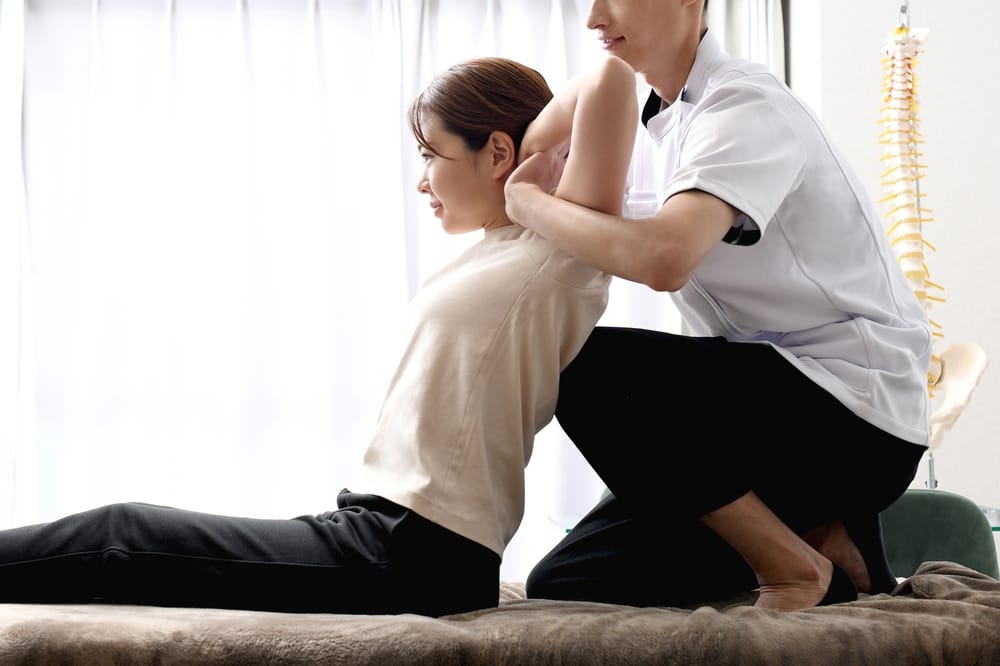
At Hands of Health Chiropractic, the doctors treating you bring real depth of experience across spinal care, sports medicine, and rehabilitation. Dr. Anna Yatsenko founded the practice with a focus on finding the root cause of pain rather than just managing symptoms. Dr. Robert D. Clarizio graduated Magna Cum Laude with specialized training in sports medicine and nutrition. Dr. Karlie Wauhob is Webster Certified, with a background in prenatal, pediatric, and athletic care. Dr. Dennis M. Hannon brings over 33 years of clinical experience, including a background as a firefighter before transitioning to chiropractic care.
Conditions, Symptoms, and Pain
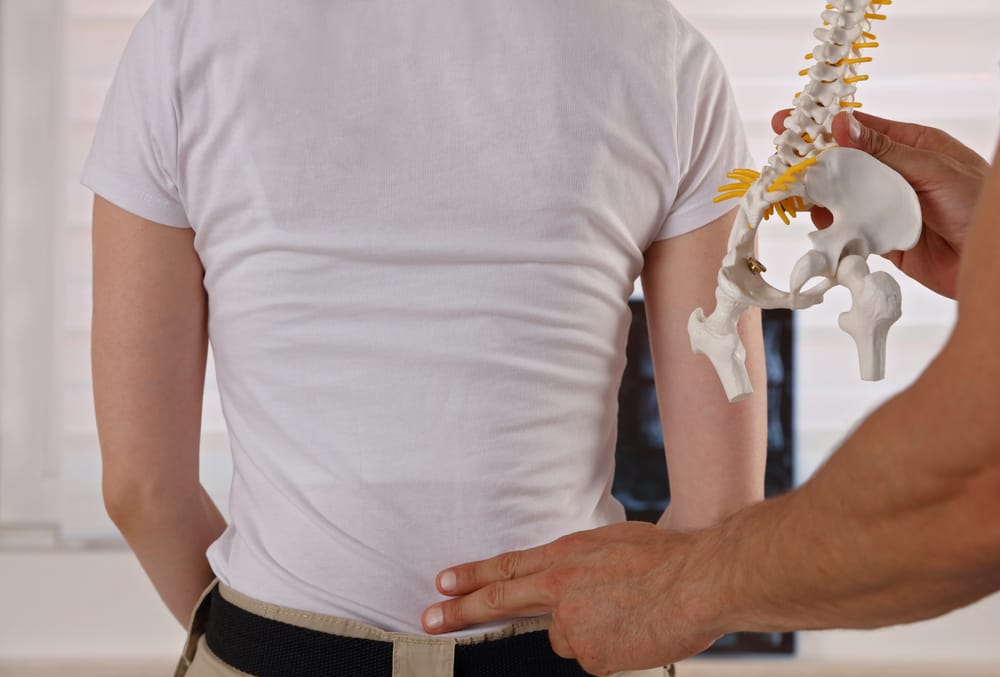
Spinal decompression therapy is designed for disc-related problems that put pressure on nearby spinal nerve roots and surrounding tissue. It tends to work well for herniated discs, herniated disks, bulging discs, degenerative disc disease, spinal stenosis, sciatica, and problems involving the facet joints. These conditions are a lot more common than people expect. The NIH reports that around 80% of the population will deal with chronic low back pain at some point, with disc degeneration and herniation being the leading cause. If you’ve been dealing with radiating back pain, numbness, or weakness in the legs or arms, there’s a good chance the lumbar spine or a nearby nerve is involved.
Symptoms usually follow a clear path depending on where the nerve compression is. Lumbar disc problems and pinched nerve conditions tend to send pain down through the buttocks and into the leg. Cervical issues run from the neck into the shoulder and arm. A pinched nerve along the spinal cord can also produce tingling in the hands or feet, grip weakness, or trouble lifting the foot while walking. These are signs that the spinal canal is under pressure, not just the surrounding muscles.
Recognizing the Problem
Disc problems have a recognizable fingerprint. Pain that spikes when you sit, cough, or sneeze is a sign of added pressure on the spinal disks. Stiffness that eases up as the day goes on suggests tissue irritation around the spinal nerves rather than a simple pulled muscle. A 2022 review in Cureus outlines how sciatica, one of the most common presentations of nerve compression, produces radicular pain that travels down the leg and can include muscle weakness, reflex changes, numbness, and in some cases bladder dysfunction. Knowing what to look for makes it easier to catch the problem before it gets worse.
Pain that moves around or shows up in more than one place at once is worth getting checked. That kind of pattern usually points to something more complex than typical muscle tightness.
When should you seek a professional?
If your symptoms include signs of pinched nerves or spinal nerve root involvement, don’t wait. A 2024 review in Deutsches Ärzteblatt International recommends 6 to 12 weeks of conservative care when there are no significant neurological deficits, but notes that worsening pain or new nerve symptoms call for early intervention. Bladder or bowel dysfunction alongside back pain is a medical emergency requiring immediate attention. Progressive numbness, muscle weakness, or reflex changes also need to be assessed right away.
If pain has been going on for more than six weeks, is disrupting your sleep, or is keeping you from doing your job, it’s time to get a professional evaluation rather than waiting it out.
Prevention and Hygiene Education
Keeping your spinal discs healthy comes down to how you move and support your spine every day. A 2025 review in PubMed found that poor posture, inadequate workstation setup, and long periods of sitting are among the main drivers of both disc degeneration and core muscle loss. The good news is these are all things you can do something about. Core work that targets the transverse abdominis, multifidus, and pelvic floor builds the internal support your spine needs. Regular stretching keeps the hips and upper back from locking up.
Good lifting habits make a real difference too. Engage your core before you pick anything up, keep it close to your body, and don’t twist under load. At your desk, get your screen to eye level, use lumbar support, and break up long sitting stretches throughout the day. Physical therapy exercises can also be incorporated into your daily routine to reinforce spinal stability between treatment sessions. Sleep position matters more than most people realize since your spine is in that position for hours every night. A supportive mattress and the right pillow go a long way.
Popular Home Remedies
Most people try something on their own before they consider seeing someone for disc pain. NIH data shows that the use of complementary approaches for pain management nearly doubled between 2002 and 2022, now covering more than a third of US adults. Ice, heat, over-the-counter pain relievers, stretching, and posture adjustments are the most common starting points. Ice can bring down swelling in an acute flare. Heat tends to help more with muscle spasm and ongoing tightness.
Inversion tables get a lot of attention online, but they don’t replicate what a clinical traction table with computer-controlled motorized traction actually does. Foam rolling and topical pain relievers can take the edge off, and yoga or Pilates can build better movement habits over time.
What the Research Says
Home treatment can reduce symptoms, but it has real limits when the spinal discs themselves are the problem. A 2024 review in Cureus found that while conservative care often provides short-term relief, it may not be enough for patients with nerve deficits or those who don’t respond to initial treatment. The structural issue, meaning the actual pressure on the disc and nerve, stays in place. Nonsurgical spinal decompression works directly on that pressure in a way that stretching, ice, and rest simply can’t.
Unguided traction at home also carries its own risks. Applying force in the wrong direction or at the wrong intensity can make certain disc conditions worse. Clinical decompression equipment is computer-controlled for a reason.


Cost and Insurance
Spinal decompression therapy requires specialized equipment and trained providers, which is reflected in the cost. For most patients, it is still a fraction of what surgical treatment costs. Procedures like surgical spinal decompression, surgical decompression with spinal fusion, and spinal decompression surgery carry significant financial and recovery burdens that nonsurgical spinal decompression avoids entirely. A 2024 systematic review in Chiropractic & Manual Therapies found that patients who pursued conservative spinal care first needed fewer surgeries, hospitalizations, and specialist referrals overall, which translates directly to lower total care costs and better pain relief outcomes. Costs for nonsurgical decompression vary depending on your plan, the number of treatment sessions in your care course, and your location. Contact our office for specifics.
Industry Average Pricing
Most patients pay between $100 and $200 per session for nonsurgical spinal decompression, though prices vary by location, clinic type, and the equipment used. For context, surgical spinal decompression procedures like laminectomy or discectomy routinely run into the tens of thousands of dollars once hospital, surgeon, and anesthesia fees are factored in. These figures reflect broad industry averages and your actual costs will depend on your specific condition and care plan. Our team can walk you through what a realistic treatment plan looks like financially before you commit to anything.
Insurance coverage for spinal decompression
Coverage varies significantly by plan and provider. CMS guidelines clarify that Medicare covers manual spinal manipulation for subluxation when performed by a licensed chiropractor, but that nonsurgical decompression as a standalone service falls outside standard Medicare chiropractic benefits. Many private insurers, including Blue Cross Blue Shield, Aetna, United Healthcare, and Cigna, may cover nonsurgical decompression under physical medicine or rehabilitative care benefits, with some plans also covering related services like electrical stimulation as part of a broader spinal care plan. Authorization requirements and coverage levels differ by plan. Call us before you start and we’ll verify your coverage.
Take the Next Step Toward a Life Without Disc Pain
Our nonsurgical spinal decompression therapy can help you manage back pain, a herniated disc, pinched nerves, or chronic disc-related symptoms. If you’re in the Victorville or Santa Ana area, call Hands of Health Chiropractic today or request an appointment through our website to get started.
FAQs
How does spinal decompression differ from regular traction?
Standard traction applies a constant pull. Nonsurgical spinal decompression uses computerized equipment and a motorized traction table to alternate between distraction and relaxation in a controlled pattern. That cycling overcomes the muscle guarding that regular traction triggers and creates actual negative pressure inside the spinal discs rather than just stretching the spinal column.
Can decompression therapy help with multiple disc levels?
Yes. The angle and focus of the distraction forces can be adjusted within a session to address more than one level of the lumbar spine or cervical spine. Severe multi-level conditions may need a longer course of treatment sessions and closer monitoring, but treating multiple levels in one session is standard practice.
What happens if spinal decompression therapy doesn't work?
If a patient doesn’t improve after a proper course of treatment, the next steps might include epidural injections, a different physical therapy approach, electrical stimulation, or a surgical consult for herniated disks or chronic low back pain that isn’t resolving. We review progress throughout the treatment course and adjust the plan if needed rather than waiting until the end.
Are there any restrictions during treatment?
Heavy lifting, high-impact exercise, and prolonged sitting are generally off the table during the treatment period since they increase the pressure on the spinal discs and spinal nerve roots. The specific restrictions depend on where your disc problem is and how severe it is.
How soon can I expect to feel improvement?
Most patients notice a change and early pain relief within the first few treatment sessions, though significant improvement usually builds over several weeks. Fresh herniations tend to respond faster than long-standing disc conditions involving the facet joints or spinal stenosis. Everyone heals at a different rate, and we’ll give you a realistic timeline based on what we find in your evaluation.